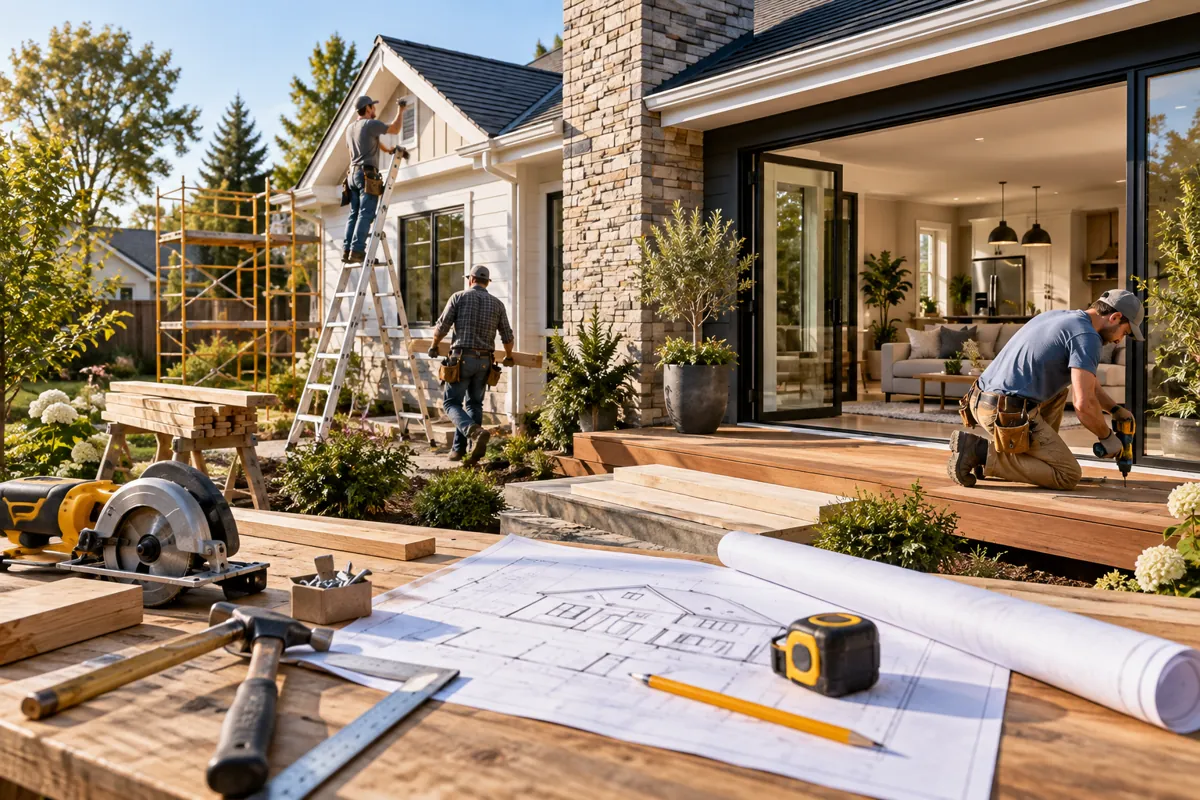
Home Improvement & Construction
Renovation, flooring, mezzanines and DIY projects
Introduction
Home improvement and construction encompass a wide range of activities aimed at enhancing the functionality, safety, and aesthetic appeal of residential properties. Whether it involves remodeling a kitchen, adding a new extension, or upgrading existing infrastructure, these projects can significantly increase property value and improve quality of life for occupants.
In Hungary, the construction sector is steadily growing, with the market valued at approximately 4.8 billion euros in 2022 according to the Hungarian Central Statistical Office. As the demand for durable, efficient, and cost-effective solutions rises, understanding the essentials of home improvement becomes essential for homeowners and industry professionals alike.
Definition and core concepts
Home improvement refers to the process of making modifications, renovations, or upgrades to a residential building to improve its structure, appearance, or energy efficiency. It covers a broad spectrum of projects, from minor repairs to full-scale renovations.
The core concepts involve planning, budgeting, sourcing appropriate materials, and executing the work according to safety and quality standards. Key elements include structural integrity, aesthetic appeal, energy efficiency, and compliance with local building codes.
Construction within this context typically involves creating or modifying physical structures. This can include installing new walls, flooring, roofing, or plumbing systems. Understanding the difference between renovation (restoring to original conditions) and remodeling (altering structure or layout) helps in choosing the right approach for each project.
How it works
The process begins with an idea or identified need. Homeowners often start by assessing the current state of their property and determining what improvements will add value or enhance comfort. This stage involves setting clear objectives and establishing a realistic budget, which can range from 1,000 euros for minor updates to over 50,000 euros for extensive renovations.
Once the scope is clear, detailed planning and design are essential. Architects or interior designers may be engaged for complex projects, especially when structural changes are involved. Permits and approvals are mandatory for substantial alterations; Hungary requires building permits for projects involving structural modifications, with approval timelines typically between 30 and 60 days.
The next stage involves sourcing materials and selecting contractors. Choosing reputable suppliers and certified builders can prevent future issues. For example, installing energy-efficient windows may cost between 600 and 1,200 euros per unit, while hiring a qualified craftsman for wall plastering might range from 10 to 15 euros per square meter.
Construction proceeds through coordinated phases: demolition, foundation work, framing, installation of utilities, and finishing. Quality control checks at each stage ensure compliance with standards. Safety protocols are strictly enforced, including the use of personal protective equipment and adherence to local safety regulations.
Finally, the project concludes with inspection and clean-up. Many homeowners opt for a post-renovation audit to ensure systems function correctly and to verify that the work meets contractual specifications. Proper documentation, including warranties and manuals, adds long-term value.
Practical application
Home improvement projects can substantially enhance daily living comfort and property value. For example, investing 10,000 euros in a kitchen remodel can increase the property's resale value by up to 15 percent, according to the Hungarian National Association of Realtors.
Energy efficiency upgrades, like installing modern insulation systems or replacing old boilers with high-efficiency models, can reduce utility bills by 20 to 30 percent annually. For instance, replacing an old gas boiler costing 3,000 euros can cut annual heating costs by approximately 600 euros.
Adding extra space, such as converting an attic into a bedroom, involves constructing a new floor or extending existing structures. These projects often require deep foundation work and proper insulation, costing between 15,000 and 25,000 euros depending on size and complexity.
Structural improvements like wall reinforcement or foundation repairs are crucial in areas prone to settlement or seismic activity. For example, underpinning a foundation to a depth of 2 meters might cost from 5,000 to 12,000 euros but guarantees long-term stability.
In terms of materials, choosing durable options matters. Hardwood flooring is favored for its longevity and can last over 50 years with proper maintenance, while vinyl flooring offers a cost-effective alternative with a lifespan of approximately 10-20 years.
Technology integration is increasingly common. Smart home systems, such as automated lighting and security cameras, can be installed at a cost of 1,500 to 5,000 euros, providing enhanced convenience and security.
Maintenance is a continuous process. Regular inspection of roofs (every 3-5 years) and plumbing (annually) prevents small issues from escalating. Preventative measures save homeowners an average of 1,000 euros annually in repairs.
Overall, tailored planning, proper execution, and ongoing maintenance secure the longevity and performance of home improvements.
Common mistakes
One frequent mistake involves underestimating project costs. Homeowners may plan for basic expenses but overlook hidden costs such as permits, labor, or unforeseen structural issues, which could add 20 to 30 percent to the initial budget.
Disregarding local building codes and regulations can cause delays or fines. In Hungary, failing to obtain necessary permits for major renovations might lead to project suspension or penalties averaging between 300 and 1,000 euros.
Choosing cheap or low-quality materials over durability can result in higher long-term expenses. For example, opting for cheaper roofing tiles might reduce initial costs by 20 percent but could lead to replacements within 10 years instead of 25, doubling the expenditure over time.
Inadequate planning for structural modifications, such as ignoring load-bearing walls, can compromise building safety. Structural assessments by licensed engineers cost around 1,000 euros but prevent costly future failures.
Expert recommendations
Consulting with certified architects or engineers ensures that design plans meet safety standards and optimize space utilization. Engaging professionals on projects exceeding 25 square meters typically costs between 1,200 and 2,500 euros but prevents costly revisions later.
Prioritizing energy efficiency offers long-term savings. Installing high-quality insulation and energy-efficient appliances significantly reduces utility bills; for example, upgrading to an A++ rated heating system can lower annual energy costs by 15 to 20 percent.
Using sustainable, locally sourced materials supports environmental goals and can be more cost-effective. Recycled steel and locally quarried stone are solutions favored by many in the Hungarian construction industry.
Implementing phased construction stages allows better cash flow management and quality control. For large projects, breaking work into modules costing around 10,000 euros each over multiple months facilitates adjustments and ensures superior results.
Conclusion
Home improvement and construction projects require careful planning, informed material choices, and adherence to regulations. They also demand an awareness of common pitfalls and strategic collaboration with professionals. Large-scale renovations, if executed properly, can increase property value by 10 to 20 percent and reduce ongoing operational costs.
For homeowners considering a project, detailed budgets and realistic timelines establish a foundation for success. Regular maintenance extends the lifespan of improvements, ensuring lasting benefits from the initial investment.